Products >> AAR Railway Wheels >>
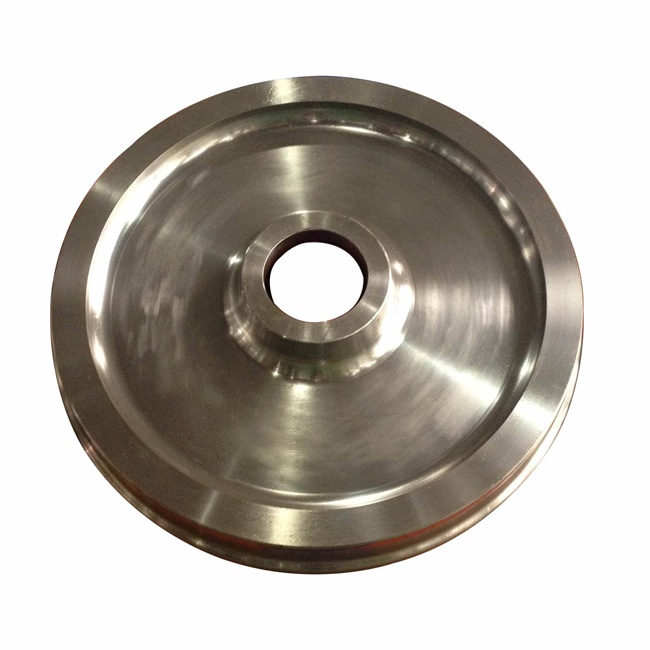
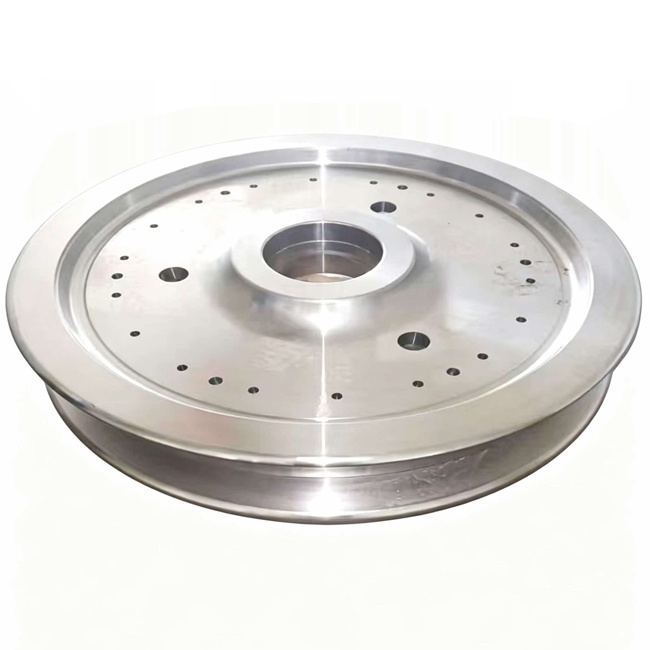
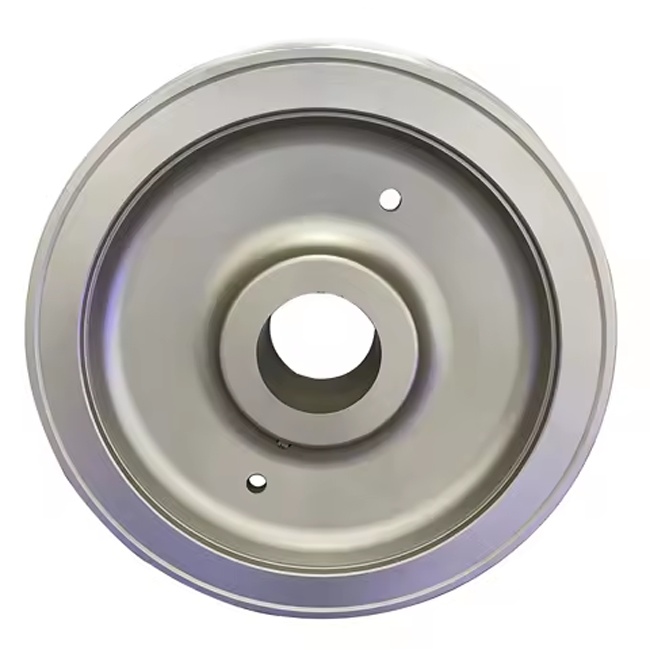
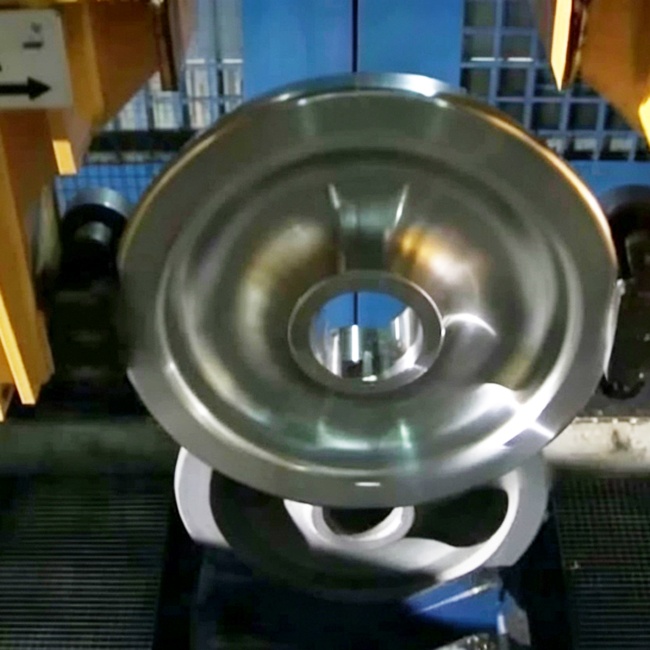
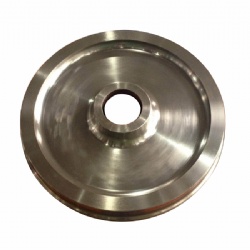
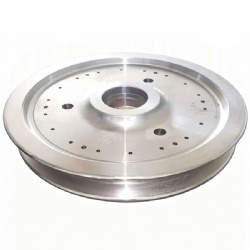
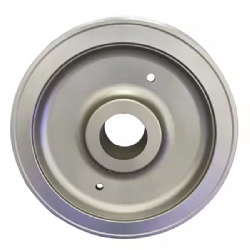
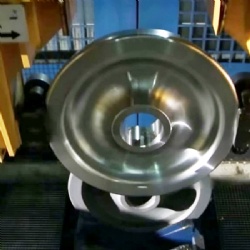
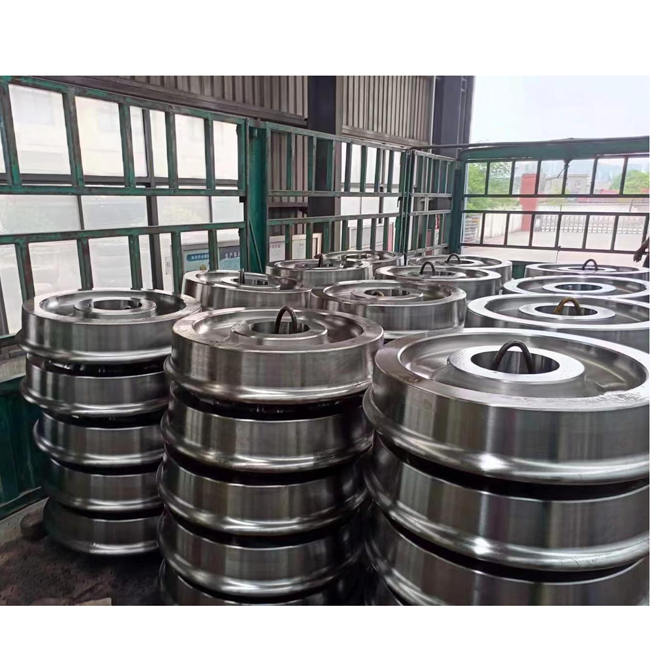
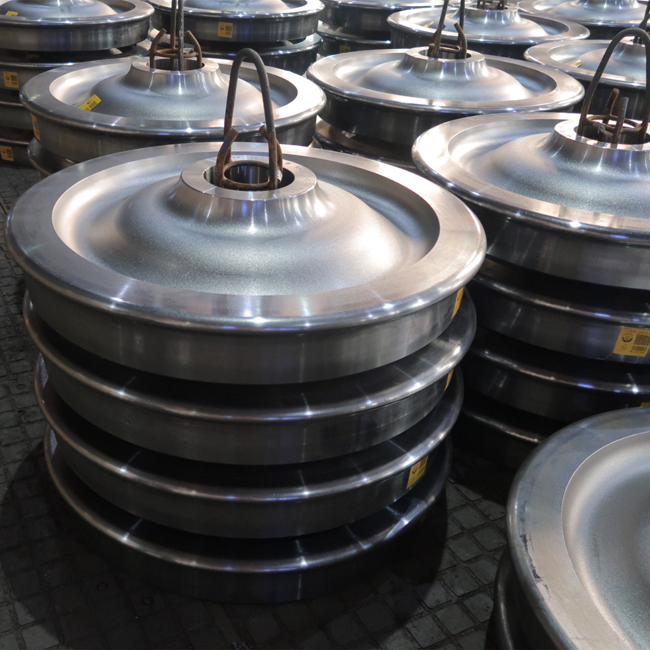
Forged Monobloc Passenger Car Railway Wheel of AAR ST
- Product No.:202672915372
- Price:nogotiation
- Material:high-quality carbon steel
- Standard:AAR
- mould charge:yes
- Production time:60
- weight:215
- Package:Wooden Box
1. Product Overview
Product Name: Forged Monobloc Passenger Car Railway Wheel of AAR Class B
Product Definition: This product is a forged steel monobloc wheel manufactured in accordance with the Association of American Railroads (AAR) Class B material standard for passenger car applications. Produced via a single-stage hot forging process, it is specifically designed for passenger railway vehicles operating under moderate to medium axle loads and moderate tread brake conditions.
Applicable Standards:
-
AAR M-107 / M-208 (Wheel Manufacturing and Supply Technical Conditions)
-
AAR S-660 (Wheel Design Load Specifications)
-
AAR S-669 (Wheel Plate Fatigue Analysis and Evaluation Method)
2. Material Specifications
2.1 AAR Class B Chemical Composition Requirements
| Element | Content Range (wt. %) | Remarks |
|---|---|---|
| C | 0.57 – 0.67 | Primary strengthening element; ensures hardness and wear resistance |
| Si | ≤ 0.40 | Deoxidizer; improves strength |
| Mn | ≤ 0.90 | Enhances hardenability |
| S | ≤ 0.040 | Impurity control |
| P | ≤ 0.040 | Impurity control |
| Cr | ≤ 0.30 | Optional addition; improves hardenability |
| Cu | ≤ 0.30 | Residual element control |
| Ni | ≤ 0.30 | Residual element control |
| Mo | ≤ 0.08 | Optional addition; controls bainite formation |
Source: Reference to ISO 1005-6 and corresponding AAR steel grade requirements
2.2 AAR Class B Hardness and Mechanical Properties
| Property | Requirement | Description |
|---|---|---|
| Flange Hardness (HBW) | 277 – 341 | Ensures wear resistance and spalling resistance |
| Tensile Strength | ≥ 900 MPa | Ensures load-bearing capacity |
| Elongation | ≥ 12% | Ensures ductility and toughness |
| Metallographic Structure | Predominantly Pearlite (area fraction ≥ 90%) | Avoids softening phases such as bainite and ferrite |
Application Conditions: Class B material is suitable for moderate tread brake conditions, heavier wheel loads, or applications involving off-tread braking and split-duty brake operations.
3. Design and Manufacturing
3.1 Forming Process
-
Process Route: Steel ingot melting → Hot forging → Heat treatment (tread quenching) → Precision machining → Non-destructive testing → Final inspection and release
-
Process Advantages: The forging process enables continuous metal flow lines along the wheel contour, providing superior impact toughness and fatigue resistance compared to cast wheels. The subsequent tread quenching induces a compressive residual stress layer on the tread surface, significantly extending the rolling contact fatigue life.
3.2 Design Features
-
Monobloc Construction: Eliminates stress concentration points associated with assembled tyre-and-center structures
-
Plate Design: Fatigue-verified in accordance with AAR S-669, satisfying combined mechanical and thermal loading conditions
-
Tread Profile: Available in AAR standard tread profiles or custom designs per customer requirements
-
Wheel Diameter Range: Typically Φ28″ – Φ42″ (711 mm – 1067 mm), customizable upon request
3.3 Quality Control and Inspection
| Inspection Item | Method | Standard Requirement |
|---|---|---|
| Chemical Composition | Spectrometric Analysis | AAR M-107 |
| Metallographic Structure | Microscopic Examination | Pearlitic structure; no pro-eutectoid cementite |
| Hardness Testing | Brinell Hardness (HBW) | Multi-point inspection on flange and hub |
| Ultrasonic Testing | UT Inspection | 100% inspection for internal defects |
| Magnetic Particle Testing | MT Inspection | Surface defect detection |
| Dimensional Accuracy | 3D Coordinate Measurement | Per customer drawing + standard requirements |
4. Typical Applications and Performance Advantages
4.1 Typical Application Scenarios
| Parameter | Specification |
|---|---|
| Applicable Vehicle | Passenger Car / Passenger Coach |
| Typical Axle Load | 11 – 18 tons |
| Maximum Service Speed | ≤ 120 km/h (subject to design optimization) |
| Braking Method | Tread braking / Off-tread braking / Split-duty braking |
4.2 Performance Advantages
-
Superior Fatigue Resistance: AAR Class B material combined with the forging process is fatigue-verified per AAR S-669, satisfying fatigue life requirements under combined mechanical and thermal duty cycles
-
Excellent Wear Resistance: The Class B hardness grade (277–341 HBW) strikes an optimal balance between wear resistance and toughness, well-suited for frequent braking operations in passenger service
-
Spalling Resistance: Tread quenching induces a compressive residual stress layer, effectively mitigating rolling contact fatigue-induced tread spalling
-
International Standard Compatibility: AAR standards are widely recognized across North American and global railway industries; the product is compatible with mainstream bogie interfaces in North America, Asia, Europe, and beyond
5. Ordering Information
| Item | Description |
|---|---|
| Product Code | FMRW-CLASS B-[Wheel Diameter] |
| Standard Compliance | AAR M-107 / M-208 / S-660 / S-669 |
| Delivery Condition | Finished machined product, coated with rust-preventive oil |
| Packaging | Secured in wooden crates or steel frames, suitable for sea/land transportation |
| Warranty | Full compliance with AAR standards; individual inspection reports provided with each shipment |
Related Products
Price: nogotiation

Price: nogotiation


Price: nogotiation

Products Category
Contact Us
Name: Meiya
Tel: +86 15151598778
E-mail: meiya@guarail.com
WeChat: +86 15151598778
Whatsapp: +86 15151598778
Add: B1608 room Building 5 of Tainhe Huayuan ,YangJian Twon,Suzhou city ,Jiangsu ,China

 WhatsApp
 Mail inquiry